
Does a single HA169 base station refresh ESL electronic shelf edge labels one by one, or several at once? In parallel, and the workable number is four. Every MRB HA169 access point contains four Bluetooth Low Energy modules, and each module holds its own conversation with a tag, so one unit keeps four labels refreshing at the same moment. Labels beyond that number wait in a queue and get picked up as earlier ones finish, which is why a batch update never turns into a long, label-by-label crawl.
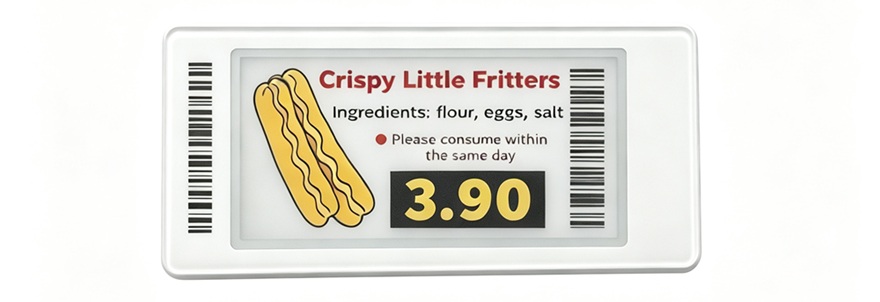
Table of Contents
1. Four Is the Concurrency Limit, Not the Number of Labels a Unit Can Serve
2. E-Paper Makes Short Cycles Feel Instant
3. Coverage and Roaming Matter More Than Raw Speed in a Live Store
4. Add a Second Base Station When You Need the Same Minute, Not the Same Store
5. The Platform Decides What Anyone Notices
1. Four Is the Concurrency Limit, Not the Number of Labels a Unit Can Serve
The four-module figure is easy to misread. It caps how many tags can be written simultaneously, not how many the gateway can address. Inside its detection radius the HA169 Bluetooth 2.4GHz access point (gateway, base station) has no preset label ceiling, and with up to 23 meters of indoor coverage (100 meters outdoors) that radius is generous enough to hold several hundred shelf labels. What happens past four is simply sequencing: labels five, six and seven begin the instant the first group closes its connection, so a 40-label aisle clears in ten short cycles instead of forty separate handshakes.
2. E-Paper Makes Short Cycles Feel Instant
Refresh time matters here as much as radio count. E-paper keeps its image with no power draw, so an update is a brief write followed by a screen redraw, not a continuous transmission. Four lanes running a few seconds each means a promotion across a category goes live while staff are still walking the aisle. The same design keeps a five-year battery promise realistic, since digital price labels spend almost all their life asleep rather than listening.
3. Coverage and Roaming Matter More Than Raw Speed in a Live Store
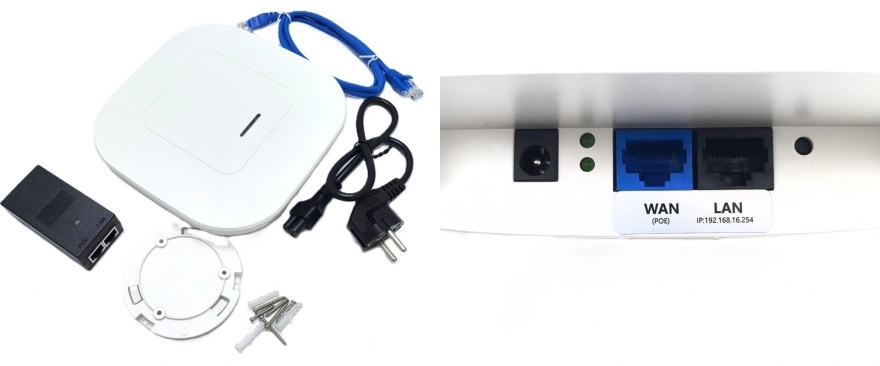
A base station that writes fast but reaches poorly will disappoint you halfway through the rollout. The HA169 is a ceiling or wall mounted unit at 180x180x34 mm, powered over Ethernet at 802.3af with a 12 W maximum draw. Bluetooth 5.0 with 128-bit AES encryption covers the link, and both roaming and load balancing are built in. When an electronic price tag is moved from one aisle to another, it rejoins the nearest unit instead of dropping off the network, and traffic is shared rather than piled onto whichever gateway was installed first.
Two practical notes before signing off on a layout: mount the unit high and clear of metal shelving, because 2.4 GHz radio behaves badly when it has to push through a rack of steel, and keep an eye on the log alerts the platform exposes. A gateway that starts reporting missed writes is usually telling you about a mounting position or a dead zone, not a faulty label.
4. Add a Second Base Station When You Need the Same Minute, Not the Same Store
There is a point where four lanes stop being enough, and it is usually a chain-wide price change timed to the minute. Each additional HA169 AP base station brings four more parallel lanes plus its own coverage footprint, and the platform spreads the load across them. Scaling sideways like this costs less than chasing a faster single unit, and it matches how stores actually grow: one gateway for the first aisles, another when the floor plan doubles.
5. The Platform Decides What Anyone Notices
All of this radio work is invisible to the person pressing publish. E-paper electronic price labels in the MRB range, from 1.54 inch shelf edge units up to larger displays, are cloud-managed, and price changes flow from the dashboard to the gateway to the tag without a handheld terminal in between. Four-color screens (black, white, red, yellow) let a promotion stand out without a printed sign, and the same infrastructure runs digital table cards, electronic staff name badges and anti-theft tags that combine pricing with EAS protection. Integration with a POS or ERP system means batch updates can be scheduled for closing time, when a queue of E-paper price labels costs nothing at all. If your pricing logic lives in a spreadsheet rather than an ERP, a CSV upload does the same job, which is how most smaller chains start before they commit to a full integration.
6. Conclusion
One HA169 access point does not update E-ink smart pricer tags one at a time. It writes four in parallel through four independent Bluetooth modules, queues the rest, and keeps addressing labels for as long as they sit inside its coverage. Plan capacity by radio lanes and floor area rather than by label count, bring in a second access point when a batch has to land everywhere at once, and the system stays quick at the scale most stores actually operate.

Author: Lily Updated: November 12th, 2026
Lily works in international marketing at MRB, focusing on retail technology products including electronic shelf labels, digital signage and in-store IoT infrastructure. She writes about store automation, pricing operations and the practical details that decide whether a rollout succeeds. For product questions or sample requests, reach her through the MRB website.
Post time: Nov-12-2026