
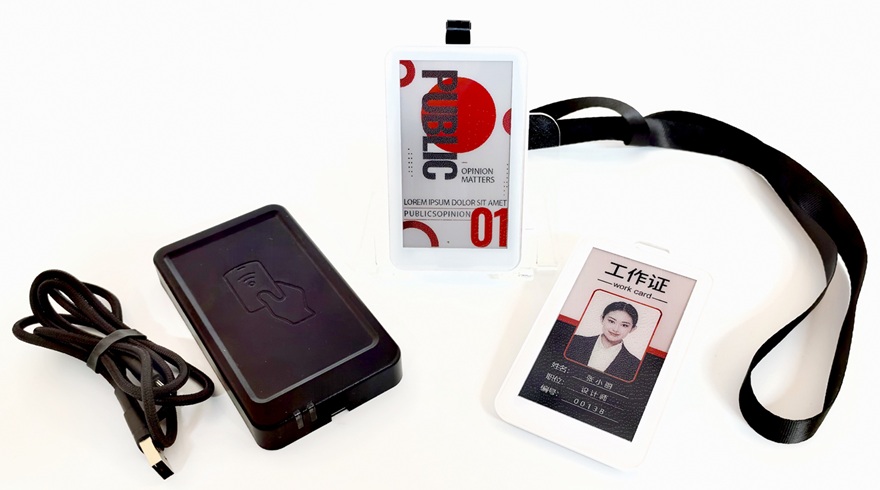
System integrators and enterprise IT purchasers looking to implement digital employee badges frequently weigh two major uncertainties before signing procurement contracts: whether integrated SDK tools demand mandatory online license activation, and if installed software will fail to function once a manufacturer halts follow-up product maintenance. As a leading smart retail hardware developer, MRB eliminates these widespread industry headaches with its HSN371 battery-operated electronic name badge alongside one-time purchased .NET and Android SDK packages. Built around fully local operational logic, MRB’s dual-platform SDK delivers complete offline functionality with zero cloud server reliance, while its one-off licensing model guarantees unrestricted permanent usage for all deployed HSN371 digital name badge systems. This post unpacks core offline SDK features, exclusive HSN371 hardware strengths and transparent billing rules to answer the core question on offline activation for MRB’s digital name badge development kits.
1. Localized SDK Design Enables Full Offline Deployment with Zero Online Activation Requirement
3. HSN371’s Optimized Hardware Specs Reinforce Offline-First Working Experience Paired with MRB SDK
1. Localized SDK Design Enables Full Offline Deployment with Zero Online Activation Requirement
Summary: MRB’s HSN371 dedicated .NET and Android SDK stores all licensing and operational data on clients’ local equipment, completely cutting ties to MRB’s remote cloud servers for daily running or license verification.
Many rival electronic badge SDK providers embed backend cloud verification codes that force regular internet connection to validate licenses, which easily paralyzes on-site badge management when factory or office network drops unexpectedly. In contrast, MRB solidifies all authorization parameters directly into local SDK files upon one-time purchase for HSN371 projects. After integrators finish embedding SDK into in-house Android terminals or .NET management systems, all routine operations including badge information editing, employee credential updates and device status monitoring run independently within clients’ private local network. No outbound data transmission toward MRB’s corporate server is needed at any stage, letting HSN371 E-ink electronic name tag keep stable performance even in fully isolated offline working environments such as closed production workshops and remote construction campuses.
2. One-Time Buyout Licensing Grants Permanent Unrestricted Usage Rights for All Purchased SDK Versions
Summary: MRB’s unique one-off payment billing rule removes recurring fees and usage caps, pairing perfectly with offline SDK architecture to secure long-term user investment on HSN371 E-paper digital name badge projects.
Different from mainstream subscription-based SDK charging modes in the smart ID hardware market, MRB applies a one-time buyout payment policy for both .NET and Android SDK matching HSN371 series. Once clients complete the single settlement, they gain perpetual full usage authorization without extra annual maintenance or authorization fees, alongside no hidden functional lock or quantity limitation on connected HSN371 digital name badges. Even if MRB stops follow-up iteration or official technical maintenance for this product line in the future, previously licensed SDK copies retain all original functions permanently. This cost-friendly and risk-controlled licensing setup aligns well with offline deployment needs and greatly reduces long-term operational expenses for medium and large-scale enterprise badge rollout plans.
3. HSN371’s Optimized Hardware Specs Reinforce Offline-First Working Experience Paired with MRB SDK
Summary: The battery-driven hardware design of MRB HSN371 complements offline SDK logic, creating a complete standalone digital badge solution independent of continuous power or Wi-Fi supply.
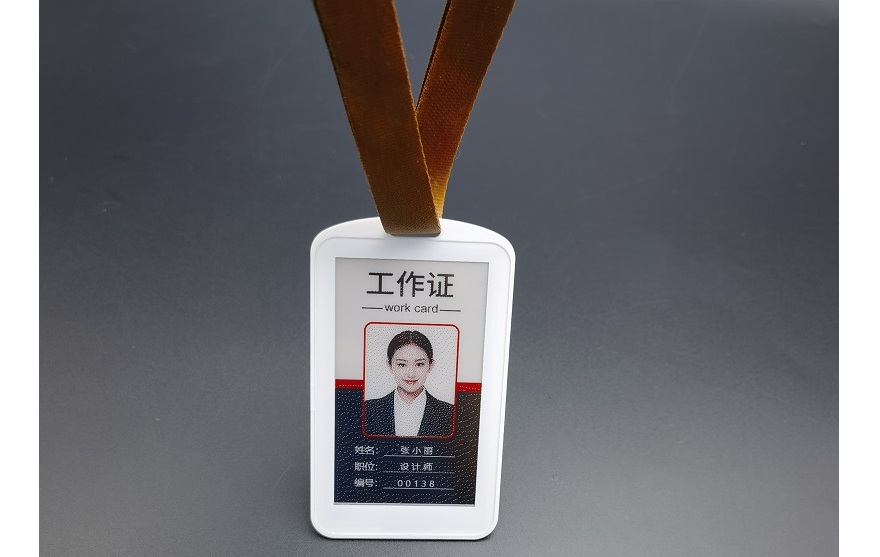
Developed for flexible on-site deployment, the HSN371 3.7-inch digital name tag adopts replaceable battery construction to get rid of fixed power wiring constraints. Its low-power e-ink screen maintains displayed staff info steadily with minimal power consumption, so badge content stays intact for months after a single battery replacement. Working alongside MRB’s offline SDK, admins finish bulk content synchronization for dozens or hundreds of HSN371 badges via short-range local Bluetooth transmission, without uploading sensitive employee personal data to external cloud storage. Such localized data transmission not only matches offline SDK’s privacy-focused design, but also helps enterprises comply with global data protection regulations on internal staff information management.
4. Conclusion
For businesses seeking stable, offline-ready digital badge development solutions, MRB’s HSN371 digital work badge plus dual-platform .NET & Android SDK gives a definitive positive answer to offline operation without internet activation. From locally embedded licensing structure and one-time unlimited buyout pricing to HSN371 electronic work badge’s robust battery-powered hardware, every design detail of MRB’s badge ecosystem centers on independent offline operation free from third-party server dependence. Whether deployed across manufacturing plants, retail chain stores or enclosed corporate campuses, this all-offline digital name badge setup minimizes unexpected downtime risks and secures clients’ long-term IT investment against vendor service changes, standing out as a practical future-proof option in today’s competitive smart workforce identification market.

Author: Lily Updated: June 3rd, 2026
Lily is an experienced product marketing specialist at MRB, who specializes in smart ESL and electronic ID hardware solutions including the HSN371 battery-powered electronic name badge. Having over 10 years of experience cooperating with global system integrators and enterprise procurement teams worldwide, she focuses on sharing practical guidance about SDK integration, offline smart hardware deployment and digital workforce management through regular industry blogs.
Post time: Jun-03-2026