
In the fast-paced world of cold-chain retail, where temperature-sensitive goods demand precise storage and real-time pricing agility, traditional paper price tags have long been a bottleneck—prone to damage from low temperatures, slow to update, and costly to maintain. MRB, a leader in retail technology solutions, addresses these pain points with its 2.13-Inch Low-Temperature ESL Price Tag (Model: HS213F). Engineered to thrive in frigid environments and equipped with cloud-driven efficiency, this low-temperature electronic shelf label (ESL) redefines how retailers manage pricing for frozen or chilled goods, from meat and seafood to pre-packaged frozen meals. This blog explores why the HS213F electronic price tag for frozen foods stands out as a tailored solution for cold-chain retail, examining its design, functionality, and real-world value.
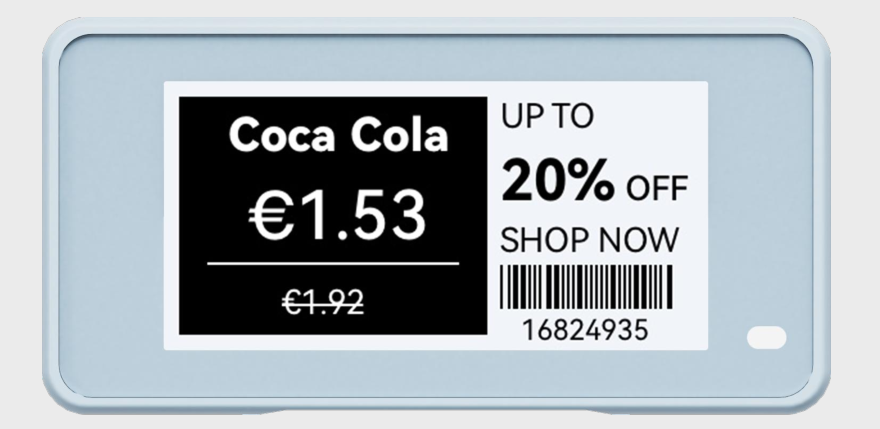
Table of Contents
1. Cold-Resistant Design: Built to Withstand Extreme Low Temperatures
2. EPD Display: Clear Visibility and Energy Efficiency for Cold Environments
3. Cloud-Managed & BLE 5.0 Connectivity: Real-Time Pricing for Agile Retail
4. 5-Year Battery Life: Minimizing Maintenance in Hard-to-Reach Cold Zones
5. Strategic Pricing & Integration: Aligning with Cold-Chain Retail Workflows
1. Cold-Resistant Design: Built to Withstand Extreme Low Temperatures
The biggest challenge for any retail technology in cold-chain settings is surviving consistent exposure to sub-zero temperatures—and the HS213F E-paper digital price tag excels here. Unlike standard ESLs that malfunction or have shortened lifespan in cold environments, MRB’s 2.13-inch smart pricing display tag is calibrated to operate seamlessly within a -25°C to 25°C range, matching the temperature requirements of low-temperature cold stores (typically -18°C to -25°C, as noted in cold-chain industry standards). This resilience ensures the tag remains functional even in freezers storing bulk meats or frozen seafood, eliminating the need for frequent replacements due to cold damage.
Beyond temperature resistance, the HS213F E-ink electronic shelf labeling system’s physical design prioritizes durability. Measuring just 71×35.7×11.5mm, it is compact enough to fit on crowded freezer shelves without obstructing product visibility, while its robust casing protects internal components from condensation—a common issue in cold environments that can ruin electronics. The inclusion of an RGB LED light further enhances usability: it provides clear visual cues for promotions or stock alerts, even in dimly lit freezer aisles, helping staff and customers quickly identify key information.
2. EPD Display: Clear Visibility and Energy Efficiency for Cold Environments
At the core of the HS213F digital shelf price tag’s functionality is its EPD (Electronic Paper Display) —a game-changer for cold-chain retail. EPD technology mimics the look of traditional paper, offering a nearly 180° viewing angle—critical for customers browsing freezer shelves from different positions. Unlike backlit LCD screens that glare in bright store lighting or dim in cold conditions, the EPD screen maintains sharp clarity, even when displaying detailed information like product names, prices, and discount percentages (e.g., “30% OFF Frozen Salmon”). It also supports black and white colors, without sacrificing readability.
Energy efficiency is another key advantage of the EPD display. EPD only consumes power when updating content; once a price or promotion is displayed, it requires no energy to maintain the image. This aligns perfectly with the HS213F electronic shelf edge label’s long-lasting battery performance, ensuring the tag operates reliably without frequent recharging—even in cold environments where battery life often degrades faster.
3. Cloud-Managed & BLE 5.0 Connectivity: Real-Time Pricing for Agile Retail
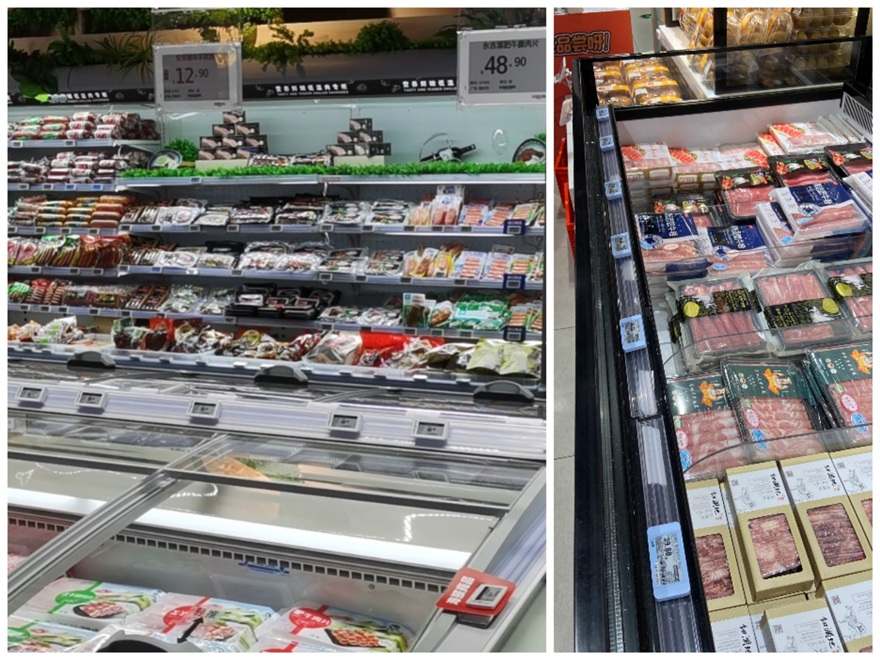
Cold-chain retail demands speed—especially when it comes to pricing adjustments for time-sensitive goods (e.g., markdowns on near-expiry chilled meats or flash sales on frozen dinners). The HS213F electronic price tag for frozen food eliminates the delays of manual price updates with its cloud-managed system and Bluetooth LE 5.0 connectivity, enabling retailers to adjust prices in seconds, not hours.
Through MRB’s cloud platform, store managers can update prices for hundreds of HS213F E-ink pricing display tags simultaneously, regardless of their location in the store’s cold-chain sections. This is a massive improvement over paper tags, which require staff to enter freezers repeatedly—wasting time and exposing employees to cold stress. Bluetooth LE 5.0 ensures stable, low-power connectivity, even in large stores with multiple freezers, while 128-bit AES encryption protects pricing data from unauthorized access.
4. 5-Year Battery Life: Minimizing Maintenance in Hard-to-Reach Cold Zones
Maintenance is a major headache for cold-chain retailers—especially when it involves accessing tags in deep freezers or high-density cold storage. The HS213F electronic pricing tag solves this with its 1000mAh pouch lithium cell battery, which delivers an impressive 5-year lifespan (based on 4 updates per day). This long battery life drastically reduces the need for staff to enter cold zones for battery replacements, cutting labor costs and minimizing disruptions to temperature-sensitive goods (opening freezer doors frequently can raise internal temperatures, risking product spoilage).
For retailers with high update needs (e.g., daily promotion changes), the battery still holds up: even with 10+ updates per day, the HS213F low-temperature ESL price tag’s battery life remains well above industry averages for cold-resistant ESLs. This reliability makes it a low-maintenance solution for busy cold-chain operations, from small grocery store freezers to large warehouse clubs.
5. Strategic Pricing & Integration: Aligning with Cold-Chain Retail Workflows
The HS213F ESL price tag label for shelves is not just a tag—it’s a tool for strategic retailing. Its ability to update prices in seconds empowers retailers to implement dynamic pricing strategies tailored to cold-chain goods: for example, automatic markdowns on chilled seafood as it nears its sell-by date, or flash sales on frozen meals during peak shopping hours. The tag’s 6 usable pages also let retailers display additional information beyond price, such as nutritional facts, storage instructions, or origin details—critical for transparency with today’s health-conscious consumers.
To fit seamlessly into existing retail systems, MRB offers API/SDK integration for the HS213F digital shelf edge label, connecting it to POS (Point of Sale) and ERP (Enterprise Resource Planning) platforms. This means pricing changes in the POS system automatically sync to the ESLs, eliminating manual data entry errors that can lead to mismatched prices (a common issue with paper tags that erodes customer trust). For cold-chain retailers managing large inventories, this integration streamlines operations and ensures pricing accuracy across all touch-points.
For cold-chain retail, where precision, durability, and efficiency are non-negotiable, MRB’s 2.13-Inch Low-Temperature ESL Smart Pricer Tag (HS213F) emerges as more than just a replacement for paper tags—it’s a strategic asset. Its cold-resistant design (-25°C to 25°C), energy-efficient EPD display, real-time cloud connectivity, and 5-year battery life address the unique challenges of frozen and chilled environments, while its integration capabilities and strategic pricing features align with modern retail workflows.
By choosing the HS213F E-ink price tag, retailers can reduce maintenance costs, improve pricing agility, and enhance the customer experience—all while ensuring their cold-chain goods remain properly labeled and visible. In a retail landscape where “fresh” and “fast” are key to customer loyalty, MRB’s HS213F electronic shelf edge labeling system proves it is indeed the perfect fit for cold-chain retail.

Author: Lily Updated: December 5th, 2025
Lily is a retail technology analyst with over 10 years of experience covering electronic shelf labels (ESLs) and cold-chain retail solutions. She specializes in evaluating how technology solves real-world retail challenges, from inventory management to customer engagement. Lily regularly contributes to industry blogs and reports, helping retailers make data-driven decisions about adopting new technologies. Her work focuses on bridging the gap between tech innovation and retail practicality, with a particular interest in solutions that enhance efficiency for specialized sectors like cold-chain retail.
Post time: Dec-05-2025