
Long-distance buses face constant bumpy rides, persistent road vibration and uneven pavement, which can easily distort camera imaging and ruin passenger counting accuracy; MRB's HPC168 all-in-one 3D passenger counting system integrates robust hardware anti-shake structures and digital image stabilization algorithms, delivering stable, error-free passenger statistics even during hours of continuous highway and mountain route travel, making it a dependable counting solution for long-haul bus fleets.
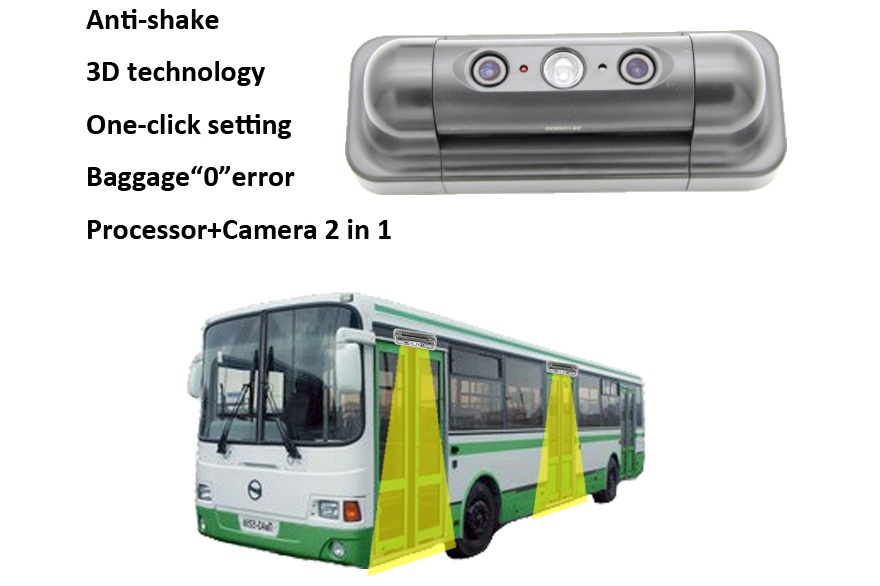
Table of Contents
1. Long-Distance Buses Bring Severe Vibration Challenges to Traditional Passenger Counters
2. MRB HPC168 Combines Mechanical & Digital Anti-Shake for All-Day Vibration Resistance
3. 3D Vision & Supplementary Features Reinforce Stable Long-Haul Counting Performance
4. Field Operation Data Proves HPC168 Anti-Shake Performance for Long-Haul Fleets
1. Long-Distance Buses Bring Severe Vibration Challenges to Traditional Passenger Counters
Long-distance routes involve sustained vertical and horizontal vibration from rough highways, gravel roads and speed bumps. Ordinary single-lens passenger counters lack shock absorption, leading to blurry frames, misplaced human target tracking and counting deviation as high as 10% or more. Frequent vibration also loosens internal camera wiring, triggering offline faults and disrupting real-time passenger data uploads for fleet management. Many transit operators report inaccurate passenger flow reports and extra maintenance costs from low-stability counting cameras, highlighting the urgent demand for anti-shake optimized hardware for cross-city bus fleets.
2. MRB HPC168 Combines Mechanical & Digital Anti-Shake for All-Day Vibration Resistance
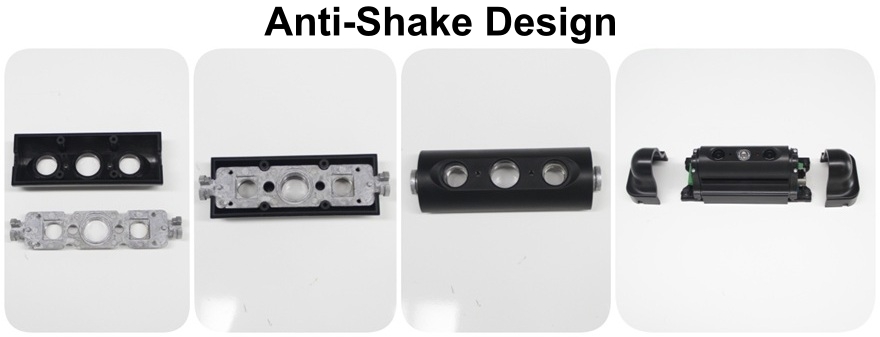
The core anti-shake advantage of MRB HPC168 automated passenger counting system for bus lies in its dual-layer vibration suppression design, built exclusively for vehicle operating environments. Mechanically, the dual 3D binocular camera module is fitted with silicone shock-absorbing brackets that buffer high-frequency vibration generated by long-distance driving, fixing lens alignment without drift after thousands of hours of bumpy travel. Digitally, embedded real-time image stabilization algorithms offset frame jitter instantly, ensuring clear human target recognition regardless of vehicle shaking. Unlike basic passenger counters that only work under stationary conditions, HPC168 automatic passenger counter sensor maintains stable imaging during high-speed cruising, uphill climbs and sudden braking, eliminating counting errors caused by picture distortion.
3. 3D Vision & Supplementary Features Reinforce Stable Long-Haul Counting Performance
Beyond anti-shake functionality, MRB HPC168 bus people counter's full set of industrial-grade features further solidifies its reliability on long-distance buses. Its 3D binocular technology filters luggage interference and supports adjustable target height thresholds, avoiding miscounts of bags stacked by passengers during cross-city trips. The HPC168 automatic bus passenger counter device boasts strong anti-light interference, operating normally under harsh lighting such as tunnel entry/exit glare and sunset backlight common on long routes, paired with a one-click auto-calibration function that recovers accurate tracking instantly after minor installation shifts from vibration. Supporting door-triggered counting logic, it activates detection only when coach doors open and pauses while doors close, reducing invalid data and lightening backend computing load. It also offers open API protocols, RJ45 and RS485 data ports for seamless connection with MRB vehicle MDVR systems, storing passenger footage and flow records for post-trip fleet auditing. The wide working temperature range of -35℃ to 70℃ adapts to seasonal temperature shifts across long-distance travel regions, preventing hardware failure from extreme heat or cold.
4. Field Operation Data Proves HPC168 Anti-Shake Performance for Long-Haul Fleets
Real-world deployment data from intercity bus operators confirms HPC168's consistent counting precision amid persistent vibration. After 12 months of full-time use on cross-provincial long-distance buses, the HPC168 electronic people counter for bus sustains a 95%–98% counting accuracy rate, with zero cases of lens offset or system breakdown caused by road vibration. Comparatively, conventional single-camera counters deployed on the same routes required monthly recalibration and displayed accuracy drops below 85% on bumpy mountain highways. Operators also note drastically reduced after-sales maintenance labor and fewer interruptions to daily passenger flow data collection, directly cutting fleet operational management costs.
5. Conclusion
For transit companies running long-distance bus lines, vibration resistance is a non-negotiable standard when selecting passenger counting equipment. MRB HPC168 bus people counter device's integrated mechanical shock absorption and digital anti-shake architecture solves the core pain point of unstable imaging on bumpy cross-city routes, while its 3D recognition, wide temperature adaptability and flexible data interface deliver comprehensive industrial-grade performance. With proven high accuracy and long-term durability under continuous vehicle vibration, MRB HPC168 3D passenger counting camera for buses stands out as a trustworthy passenger counting solution for all long-distance coach and tour bus fleets, balancing stable data output and low maintenance expenses for fleet operators.

Author: Lily Updated: June 24th, 2026
Lily is a senior product specialist at MRB focusing on vehicle intelligent monitoring and passenger counting systems. With over 10 years of experience serving bus transit and coach fleet clients worldwide, she regularly shares technical insights on MDVR hardware, AI passenger counting cameras and vehicle IoT data solutions via industry blogs and case studies. Her work centers on helping transit operators select durable, high-precision vehicle monitoring devices tailored to urban, suburban and long-distance bus operating scenarios.
Post time: Jun-24-2026